The Role of Sports in Socio-Emotional Growth for Preschoolers
- Greivin Pacheco
- 4 hours ago
- 3 min read

Sports play a crucial role in the development of preschoolers, not just in terms of physical fitness but also in fostering socio-emotional growth. Engaging in sports helps young children build essential skills such as teamwork, communication, and emotional regulation. In this blog post, we will explore how sports contribute to the socio-emotional development of preschoolers, the benefits they provide, and practical ways to incorporate sports into their daily routines.
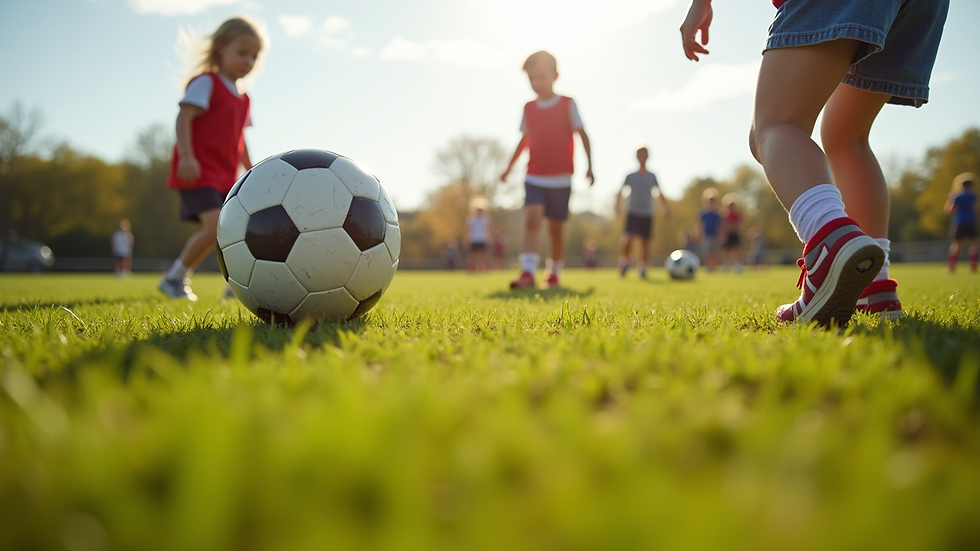
Understanding Socio-Emotional Development
Socio-emotional development refers to the process through which children learn to understand their own emotions, develop empathy for others, and build relationships. This development is crucial during the preschool years, as children begin to interact more with their peers and navigate social situations.
Key Components of Socio-Emotional Development
Self-Awareness: Recognizing one's own emotions and understanding how they affect behavior.
Self-Regulation: Managing emotions and behaviors in different situations.
Social Awareness: Understanding and empathizing with the emotions of others.
Relationship Skills: Building and maintaining healthy relationships through effective communication and conflict resolution.
Responsible Decision-Making: Making choices that are respectful and considerate of others.
The Connection Between Sports and Socio-Emotional Growth
Engaging in sports provides preschoolers with numerous opportunities to develop these key components of socio-emotional growth. Here are several ways in which sports contribute to this development:
Building Teamwork Skills
Participating in team sports teaches preschoolers the importance of working together towards a common goal. They learn to share responsibilities, support one another, and celebrate collective achievements. This experience fosters a sense of belonging and encourages cooperation.
Enhancing Communication Abilities
Sports require effective communication among team members. Preschoolers learn to express their thoughts and feelings verbally and non-verbally, which helps them develop strong communication skills. They practice listening to others, giving feedback, and understanding different perspectives.
Promoting Emotional Regulation
Sports often involve both winning and losing, which provides preschoolers with valuable lessons in emotional regulation. They learn how to cope with disappointment, manage frustration, and celebrate success. These experiences help them develop resilience and the ability to handle various emotions in a healthy way.
Fostering Empathy and Social Awareness
Through sports, preschoolers interact with peers from diverse backgrounds, which enhances their social awareness and empathy. They learn to appreciate differences, understand others' feelings, and develop friendships based on mutual respect and support.
Encouraging Responsible Decision-Making
Sports present preschoolers with opportunities to make decisions, whether it's choosing a strategy during a game or resolving conflicts with teammates. These experiences help them develop critical thinking skills and learn the importance of making choices that consider the well-being of others.
Practical Ways to Incorporate Sports into Preschoolers' Lives
To maximize the benefits of sports for socio-emotional growth, parents and educators can take several practical steps:
1. Choose Age-Appropriate Sports
Select sports that are suitable for preschoolers, such as soccer, basketball, or swimming. These activities should focus on fun and skill development rather than competition.
2. Create a Supportive Environment
Encourage a positive atmosphere where preschoolers feel safe to express themselves and take risks. Praise their efforts and emphasize the importance of teamwork and cooperation.
3. Encourage Participation in Team Activities
Enroll preschoolers in team sports or group activities that promote collaboration. This could include joining a local soccer league or participating in community sports events.
4. Foster Open Communication
Encourage preschoolers to talk about their feelings related to sports. Discuss their experiences, both positive and negative, to help them process their emotions and learn from them.
5. Model Positive Behavior
As a parent or educator, demonstrate healthy emotional regulation and communication skills. Show preschoolers how to handle winning and losing gracefully, and encourage them to support their peers.
The Impact of Sports on Long-Term Development
The benefits of sports extend beyond preschool years. The skills and lessons learned during these formative years can have a lasting impact on children's future relationships and emotional well-being. Research shows that children who engage in sports are more likely to develop strong social skills, higher self-esteem, and better emotional regulation as they grow older.
Case Study: The Positive Effects of Sports Programs
A study conducted by the National Institute of Health found that children who participated in organized sports showed significant improvements in their social skills and emotional regulation compared to those who did not. The study highlighted that children involved in sports were better equipped to handle social challenges and had a more positive outlook on their abilities.
Conclusion
Incorporating sports into the lives of preschoolers is essential for their socio-emotional growth. Through teamwork, communication, emotional regulation, empathy, and responsible decision-making, children develop skills that will benefit them throughout their lives. By providing opportunities for participation in sports and fostering a supportive environment, parents and educators can help preschoolers thrive emotionally and socially.
Encourage your preschooler to engage in sports today, and watch them grow into confident, empathetic individuals ready to take on the world.


Comments